Beyond the Selfie: How AR Filters and Lenses Are Revolutionizing Local Business Marketing
Let’s be honest. Cutting through the noise in local marketing feels harder than ever. Another flyer, another social post, another email… they all blur together. But what if you could hand a customer a magic lens? A tool that lets them see your product in their home, try on a service virtually, or simply have a blast interacting with your brand? That’s not future-talk. That’s Augmented Reality (AR) today—and it’s shockingly accessible for local shops, restaurants, and service providers.
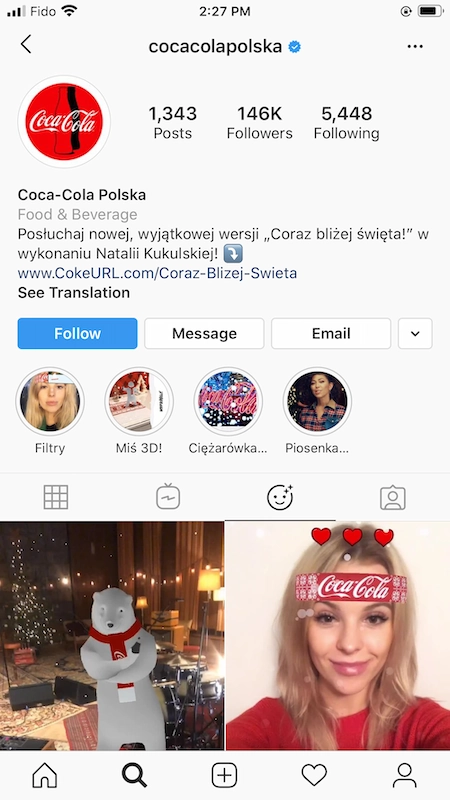
AR filters and lenses, those playful effects on Instagram, Snapchat, and Facebook, are more than just digital party hats. They’re a direct bridge to immersive customer experience. They turn passive scrollers into active participants. And for a local business, that shift is pure gold.
Why AR Isn’t Just for Big Brands Anymore
You might think this tech is for mega-corporations with huge budgets. Sure, they were first. But the platforms have democratized it. Tools like Spark AR (Meta) and Lens Studio (Snapchat) are free. With a bit of learning—or a modest investment in a freelance AR creator—you can build a custom experience that lives right where your customers already are: on their phones, inside their favorite apps.
The real magic? Integrating AR into local business marketing solves a core, timeless problem: bridging the gap between online discovery and offline action. It lets someone “try before they buy” from their couch, creating confidence that drives foot traffic. It’s the ultimate “see it here, buy it locally” tool.
Practical AR Filter Ideas for Local Businesses
Okay, so how does this actually work? Let’s ditch the abstract and get concrete. Here are some powerful, doable ways to use AR lenses.
For Retail & Home Goods Stores
Imagine a furniture store. The biggest hurdle is visualization. A well-made AR filter can let customers place a virtual armchair in their actual living room. They can walk around it, see how the light hits it, check the scale. That’s a game-changer. It reduces return rates and, frankly, makes shopping fun.
Or a jewelry shop. A “virtual try-on” lens for earrings or a statement necklace. It’s shareable, it’s personal, and it provides a “wow” moment that a static product photo never could.
For Restaurants, Cafes & Bars
Here, the goal is often buzz and user-generated content. Create a playful filter themed to your signature cocktail or a new menu item. Think: a dancing taco hat or a filter that surrounds the user with floating coffee beans with your logo. Encourage check-ins by offering a discount to anyone who posts a story using your filter. Suddenly, your customers are creating authentic marketing for you.
A more practical use? A menu preview lens. Point your phone at the physical menu outside, and a video of the chef’s special pops up. That’s a serious experience upgrade.
For Salons, Tattoo Parlors & Beauty Services
This is a no-brainer. The use of AR for customer experience in beauty is transformative. A hair salon can offer a “try a new hair color” filter. A tattoo shop can let clients see how a design will look on their arm. It builds immense trust and collaboration before a single cut or needle touches skin.
For Service Area Businesses (HVAC, Landscaping, etc.)
Even here, AR adds clarity. A landscaper could have a filter that superimposes potential plant arrangements or patio designs onto a user’s yard photo. An HVAC company might have a simple, educational lens showing how a new smart thermostat works. It positions you as a helpful, modern expert.
Getting Started: A Realistic Roadmap
Feeling inspired but unsure of the first step? Here’s a straightforward path.
- Start with a Single, Clear Goal: Don’t try to build a Swiss Army knife. Do you want to boost Instagram engagement? Reduce product hesitation? Celebrate a local event? Pick one.
- Choose Your Platform: Where does your audience play? Instagram and Facebook are great for broad reach. Snapchat skews younger but has incredibly engaged users. TikTok’s AR effects are also exploding.
- Design or Hire: Use the free platform studios if you’re tech-curious. But for a polished, on-brand filter, hiring a freelance AR designer is often worth it. It’s more affordable than you think.
- Promote It Like Crazy: Put it on your social bios. Train staff to demo it in-store. Run a contest. Feature user content. A filter is a tool—you have to get people to pick it up.
- Measure What Matters: Track impressions, captures (uses), and shares. More importantly, track the offline result. Use a unique promo code mentioned in the filter or simply ask customers, “How’d you hear about us?”
The Tangible Benefits: More Than Just a Gimmick
| Benefit | How AR Delivers It |
| Enhanced Customer Confidence | Virtual try-ons and previews remove purchase anxiety, leading to more confident (and higher-value) in-store visits. |
| Explosive Social Sharing | Fun, branded AR content is inherently shareable, turning customers into a voluntary marketing army. |
| Memorable Brand Differentiation | In a sea of sameness, an AR experience makes you the innovative, forward-thinking choice. |
| Valuable Data & Insights | You see how people interact with your virtual products—what they like, how long they engage. |
The bottom line? AR for local marketing isn’t about replacing the human touch—it’s about enhancing it. It’s a digital handshake that leads to a real-world conversation.
A Quick Word on the Human Touch
All this tech can feel cold. The trick is to keep the experience warm, playful, and authentically you. A filter for a family-owned bakery should feel different from one for a sleek boutique. Let your brand’s personality shine through in the design, the animation, the whole vibe. That’s what makes it stick.
And don’t fear imperfection. A slightly quirky, homemade-feeling filter can sometimes resonate more than a slick corporate one. It feels human. That’s the point, right?
So, the landscape of local connection is changing. It’s becoming more interactive, more visual, more… augmented. The businesses that thrive will be those that don’t just advertise to their community, but that invite them to play, to create, and to see what’s possible—right through their own screen.